
Cherry pickers – also known as boom lifts or powered access platforms – are among the most versatile pieces of equipment for working at height. From construction sites and housing maintenance to tree care and telecoms, they allow operators to work safely and efficiently where ladders or scaffolding simply aren’t practical.
When buying a cherry picker, consider the type of work, height and outreach requirements, environment, and budget. Options include articulated booms, telescopic booms, tracked spider lifts, trailer-mounted, mast booms, van-mounted, and truck-mounted platforms. Buyers can choose between new models with full warranties or Approved Used machines for cost savings.
But with so many models, configurations, and finance options available, how do you choose the right one? This guide walks you through the essentials of buying a cherry picker, including types, safety considerations, and whether new or used equipment is the better choice for your needs.
What to Think About Before Buying
Before diving into the different categories of cherry pickers, it’s worth considering a few key questions:
- What jobs will the cherry picker be used for? Indoor repairs, outdoor construction, or rough terrain?
- How high do you need to reach, and how much outreach is required?
- How often will the machine be used? Daily, weekly, or for occasional projects?
- What’s the environment like? Narrow spaces, fragile ground, or open sites?
- What’s your budget and payment preference? Outright purchase, hire purchase, or lease?
- Are you ready for compliance? Operators will need IPAF training, and machines must undergo LOLER inspections.
Answering these questions up front helps narrow down the type of cherry picker best suited to your operations.
The Main Types of Cherry Picker
1. Articulated Boom
Often called “knuckle booms”, these cherry pickers feature multiple joints that allow the boom to bend around obstacles. They’re highly versatile for jobs where you need to reach over or around structures, such as rooflines or machinery.
- Typical IPAF Category: 3B.
- Example use: building maintenance, tree work, electrical repairs.
2. Telescopic Boom
Sometimes called “stick booms”, these extend straight out with multiple boom sections. They offer excellent horizontal reach, making them perfect for open sites where outreach is more important than manoeuvrability.
- Typical IPAF Category: 3B.
- Example use: construction, steel erection, shipyards.
3. Tracked Boom (Spider Lift)
Mounted on crawler tracks, these machines are designed for rough terrain and soft or fragile surfaces. Outriggers help stabilise the lift, and many models are compact enough to fit through single doorways.
- Typical IPAF Category: 1B.
- Example use: historic building maintenance, shopping centres, landscaping.
4. Trailer-Mounted Boom
Towed easily by vans or small vehicles, trailer-mounted cherry pickers are ideal for teams who need to move quickly between sites. They’re popular for maintenance tasks where portability is key.
- Typical IPAF Category: 1B.
- Example use: signage, facilities management, rental fleets.
5. Mast Boom
These compact lifts have a vertical mast with some outreach capability, making them perfect for tight indoor spaces. They’re agile and easy to manoeuvre in warehouses or crowded sites.
- Typical IPAF Category: 3A or 3B.
- Example use: warehouses, retail fit-outs, factories.
6. Van-Mounted Cherry Picker
Platforms mounted on vans allow operators to drive directly to site, work at height, and move on quickly. They’re widely used in industries like telecoms, utilities, and street lighting.
- Typical IPAF Category: 1B.
7. Vehicle/Truck-Mounted Cherry Picker
Mounted on larger chassis, these offer medium to high reach. Some require an HGV licence to drive, but they deliver the power and flexibility needed for demanding work.
- Typical IPAF Category: 1A or 1B.
New vs Used: Which is Right for You?
When buying a cherry picker, one of the first decisions is whether to go new or used.
- New machines come with the latest features, longer warranties, and the peace of mind of zero prior usage. They can also be configured to suit your specific requirements.
- Used machines are often a more budget-friendly option. If properly inspected and refurbished, they can provide years of safe service at a lower price point. They’re especially useful for short-term projects or as backup machines.
Approved Used platforms from reputable suppliers are typically fully inspected, LOLER-certified, and may include warranties – making them a strong option if cost is a priority.
Finance Options Explained
Not every organisation has the capital to purchase outright. That’s why finance options are popular in the access platform market. Here are the most common approaches:
- Contract Hire: Pay a fixed monthly fee (usually 3–5 years) with servicing and LOLER testing often included.
- Hire Purchase: Pay a deposit, then spread the cost over several years until you own the machine.
- Lease Purchase: A form of hire purchase with lower monthly payments and a larger final “balloon” payment.
- Operating Lease: Essentially long-term hire – return the machine at the end of the lease period.
- Rent to Buy: Try before you commit, with the option to purchase later.
Each has its advantages, depending on cash flow, usage patterns, and long-term plans.
Parts, Service & Safety
Buying the right machine is only half the story – maintaining it properly is just as important. Safe operation depends on:
- Regular LOLER inspections every six months.
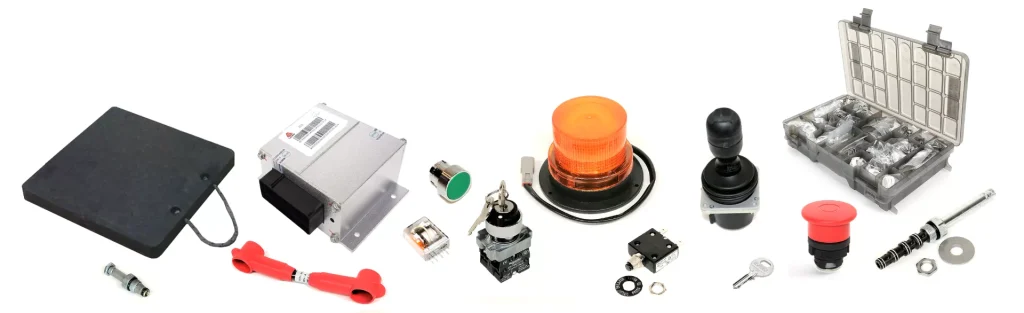
- Access to OEM and aftermarket parts for quick repairs.
- Trained operators with valid IPAF licences for the relevant category.
- Planned servicing to prevent breakdowns and extend machine life.
Tip: Always note the machine’s make, model, and serial number when ordering parts – it ensures you get the right component first time.
Why Training and Compliance Matter
Every cherry picker operator must hold the correct IPAF licence, whether for boom lifts (3B), scissor lifts (3A), or truck-mounted platforms (1B). Beyond training, housing associations, contractors, and facility managers all have legal obligations under the Work at Height Regulations to ensure safe practice.
A well-chosen machine, combined with trained staff and consistent inspections, creates a system that is efficient, compliant, and above all, safe.
Final Thoughts
Buying a cherry picker is a significant investment, but the right choice can transform how your organisation works at height. From understanding the different types to weighing up new versus used, and considering finance and safety requirements, this guide should give you a clear starting point.
Whether you’re maintaining housing stock, managing facilities, or running a rental fleet, a cherry picker tailored to your needs can cut costs, improve productivity, and keep your teams safe. Either way, APS is here to help. Contact us today for advice.
FAQs
What should I consider when buying a cherry picker?
Think about budget, height and outreach needs, work environment, frequency of use, and ongoing servicing requirements.
What are the main types of cherry picker?
Articulated, telescopic, tracked, trailer-mounted, mast booms, van-mounted, and truck-mounted models each suit different tasks.
Is it better to buy a new or used cherry picker?
New machines offer the latest technology and warranties, while Approved Used models are more affordable and can be available immediately.
How much does a cherry picker cost?
Costs vary depending on model and brand, but flexible finance options such as hire purchase, lease, and contract hire help spread payments.
Do I need training to operate a cherry picker?
Yes. Operators must hold the relevant IPAF licence, and regular LOLER inspections are required for ongoing compliance.